
Building Market Confidence: Lloyds on the Next Decade of Carbon Removal Finance
Drawing on insights from Carbon Unbound Europe, this article examines the role of lenders, insurers, and financial institutions in scaling carbon removal. It covers bankable offtakes, market integrity frameworks, and practical ways to aggregate corporate demand over the next decade.

Why was bringing your perspective to Carbon Unbound Europe a priority this year for advancing the conversation on the future of climate finance?
Emily Martin: It’s a pivotal moment for us at Lloyds because we’re moving from talking about how private capital can support nature restoration to working with partners to understand how this can work in practice. We are seeing an increasing number of organisations showing different models and routes to market, for example the Evenlode project, where we’re looking at how bank debt can sit alongside long-term environmental revenues and government support, as well as client demand, to create something genuinely financeable.
At the same time, we welcome the UK Government’s policy progress on mobilising private capital into nature and tech-based removals. Carbon Unbound was therefore an important opportunity to bring that experience into the conversation, because scaling the market will ultimately require government, developers, buyers and financial institutions to work together.

Where do you see the greatest opportunity to deploy innovative debt structures, such as blended finance or credit guarantees, to secure bankable offtakes?
Emily Martin: The greatest opportunity is where a fundamentally strong project delivers carbon removal alongside wider economic and value-chain benefits, but the revenue profile isn’t yet sufficiently certain to support conventional debt on its own. Biochar is a good example, where projects can create value not only through carbon credits, but through their role in agricultural supply chains and the benefits they can provide to farmers and soils. That is where blended finance, guarantees and long-term offtakes can be particularly powerful.
The principle is to allocate risks to the parties best placed to assess and manage them, not assume the public sector should take on commercial risks. If there are credible corporate buyers providing long-term demand, banks can finance against a much more predictable revenue profile. The opportunity is to use those structures to crowd private capital in with any public support targeted to specific barriers to investment and help commercially viable technologies scale, rather than relying on public capital predominantly.
In your keynote you set out Lloyds’ ambition for carbon and nature markets to help finance resilient infrastructure. How can you and chief sustainability officers across other businesses help turn that ambition into reality?”
Andrew Walton: Financing resilient infrastructure starts with making projects bankable and investable. That requires not only strong environmental outcomes, but also credible, predictable revenues that can attract debt and investment. Corporate demand, backed by long-term offtake agreements, can help provide that certainty, which means lenders and investors can have the confidence to finance projects that strengthen resilience.
That is where Chief Sustainability Officers come in. We can help our organisations understand how financing resilient infrastructure addresses their risks and opportunities, and to what extent investing in carbon markets can play a role alongside broader nature financing. Projects centred on flood protection and removing carbon dioxide can help manage physical risks, meet residual emissions requirements, strengthen business resilience and support customers and communities.
The next step is translating that understanding into corporate demand. Where there is a clear business case, long-term purchasing commitments can give developers, lenders and investors greater confidence in future revenues. CSOs can then translate that understanding into purchasing commitments aligned with business strategy, helping create the demand needed to make projects financeable.
For our part at Lloyds, we are exploring how to bring this thinking into our approach to carbon markets, while also supporting clients to interact with them which helps to create those demand signals. As we sit across the economy, we can connect client risks and opportunities with demand for environmental outcomes, and that demand with the financing needed to deliver resilient infrastructure.
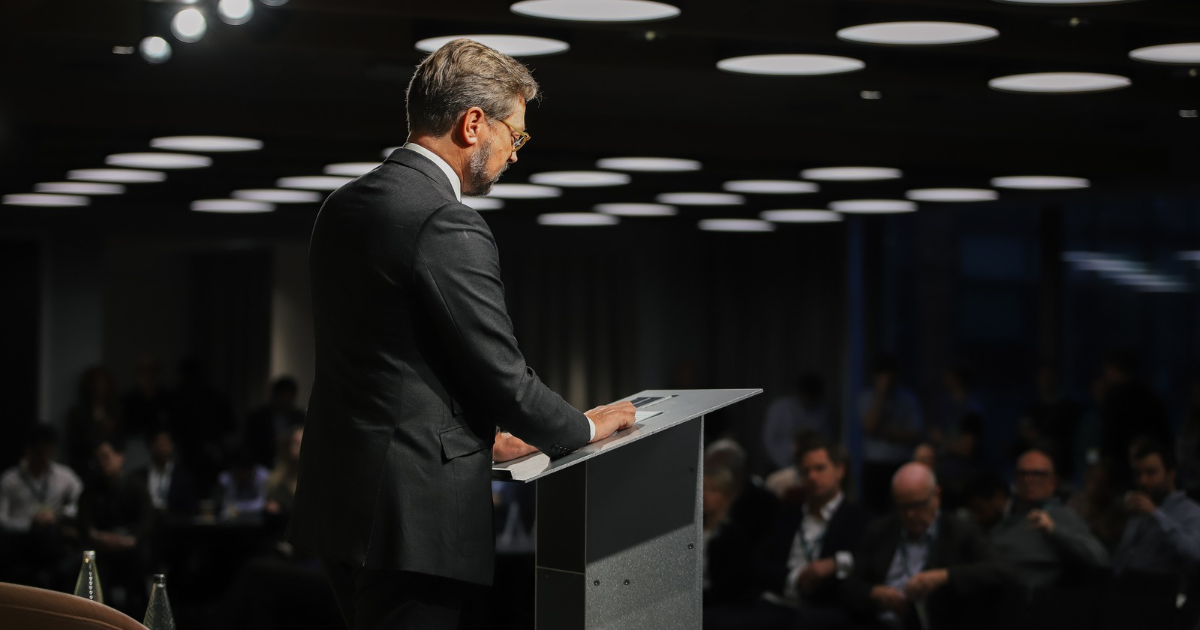
Staying with the demand side piece, how do you advise corporate clients to invest in high-durability carbon removals today rather than freezing capital flows with shifting standards from bodies like the ICVCM and SBTi?
Gabriella Carden: The key is not to let uncertainty become an excuse for inaction. Standards will continue to evolve, so we advise clients to focus on the fundamentals of project quality: robust carbon accounting, additionality, durability, delivery risk and independent verification.
We also encourage a portfolio approach, diversifying across different technologies and durability profiles rather than waiting for one methodology or standard to provide all the answers.
And there is a cost to waiting. High-quality durable removal capacity is constrained relative to potential future demand. According to a McKinsey, potential 2030 demand will be up to 100 million tonnes against around 50 million tonnes of announced supply.
So early engagement can be a strategic procurement decision as much as a climate decision. Waiting for absolute certainty could mean entering the market when competition for high-quality supply is much greater. Our advice is therefore to build optionality now: understand your future needs, do the diligence and begin securing high-quality capacity where it makes sense.
Where do you see the private sector taking the lead in creating standardised, liquid contracts for carbon credit transactions?
Gabriella Carden: I think the private sector can help translate growing demand into the market infrastructure needed to transact at scale. Today, too many transactions remain bespoke. Greater consistency around contracts, definitions, delivery terms and risk allocation should reduce friction for both buyers and sellers and ultimately make the market easier to access.
Emily Martin: And from a financing perspective, that matters enormously. The more predictable and transferable an offtake becomes, the easier it is for a lender to understand the future revenue stream behind a project. So standardisation isn’t simply about creating liquidity in the carbon market. It can also improve bankability and help unlock the capital required to build the underlying projects.
You asked each of the panel participants etc... putting this back to the three of you, what is your defining challenge to the ecosystem of investors and developers as we enter this next decade?
Andrew Walton: My challenge is to measure success by what these markets enable us to build, not simply by the credits they trade. Can they help finance infrastructure that strengthens the economy while delivering high-quality, credible climate and nature outcomes? That means starting with the investment need, then asking where verified carbon revenues can improve the proposition. For investors and developers, the task is to connect those outcomes with the businesses that value them. A bigger market is not the end goal. A more resilient economy is.
Emily Martin: My challenge to developers is to think about bankability from the outset. A strong environmental outcome does not automatically make a financeable project. We need credible counterparties, predictable long-term revenues and structures that allow public and private capital to take the risks they are best equipped to manage.
Gabriella Carden: We need more corporate buyers to move from interest to action. That doesn't mean compromising on quality or ignoring evolving standards. No market is risk-free. What matters is being able to identify and understand those risks, mitigate them where possible and continue to monitor them over time. That's why rigorous diligence, portfolio construction and ongoing monitoring are so important. Done properly, buyers can manage risk while still providing the long-term demand signals that developers and investors need. If we wait for every element of the market to be perfect, we make it near impossible to mature.
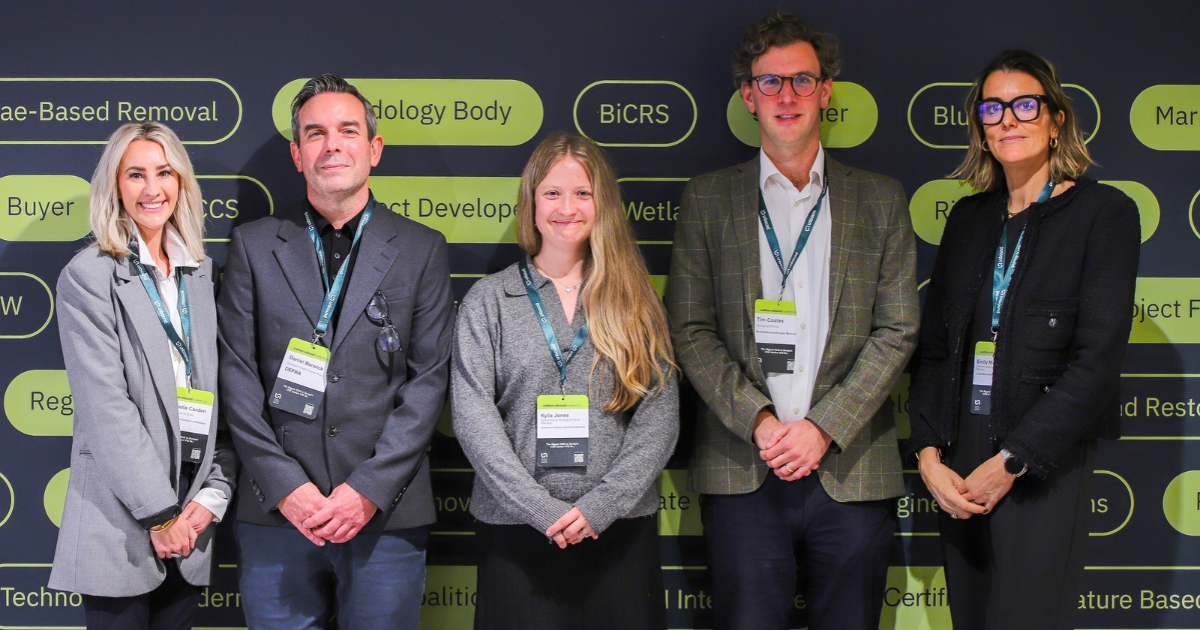
Why was bringing your perspective to Carbon Unbound Europe a priority this year for advancing the conversation on the future of climate finance?
Emily Martin: It’s a pivotal moment for us at Lloyds because we’re moving from talking about how private capital can support nature restoration to working with partners to understand how this can work in practice. We are seeing an increasing number of organisations showing different models and routes to market, for example the Evenlode project, where we’re looking at how bank debt can sit alongside long-term environmental revenues and government support, as well as client demand, to create something genuinely financeable.
At the same time, we welcome the UK Government’s policy progress on mobilising private capital into nature and tech-based removals. Carbon Unbound was therefore an important opportunity to bring that experience into the conversation, because scaling the market will ultimately require government, developers, buyers and financial institutions to work together.
Where do you see the greatest opportunity to deploy innovative debt structures, such as blended finance or credit guarantees, to secure bankable offtakes?
Emily Martin: The greatest opportunity is where a fundamentally strong project delivers carbon removal alongside wider economic and value-chain benefits, but the revenue profile isn’t yet sufficiently certain to support conventional debt on its own. Biochar is a good example, where projects can create value not only through carbon credits, but through their role in agricultural supply chains and the benefits they can provide to farmers and soils. That is where blended finance, guarantees and long-term offtakes can be particularly powerful.
The principle is to allocate risks to the parties best placed to assess and manage them, not assume the public sector should take on commercial risks. If there are credible corporate buyers providing long-term demand, banks can finance against a much more predictable revenue profile. The opportunity is to use those structures to crowd private capital in with any public support targeted to specific barriers to investment and help commercially viable technologies scale, rather than relying on public capital predominantly.
In your keynote you set out Lloyds’ ambition for carbon and nature markets to help finance resilient infrastructure. How can you and chief sustainability officers across other businesses help turn that ambition into reality?”
Andrew Walton: Financing resilient infrastructure starts with making projects bankable and investable. That requires not only strong environmental outcomes, but also credible, predictable revenues that can attract debt and investment. Corporate demand, backed by long-term offtake agreements, can help provide that certainty, which means lenders and investors can have the confidence to finance projects that strengthen resilience.
That is where Chief Sustainability Officers come in. We can help our organisations understand how financing resilient infrastructure addresses their risks and opportunities, and to what extent investing in carbon markets can play a role alongside broader nature financing. Projects centred on flood protection and removing carbon dioxide can help manage physical risks, meet residual emissions requirements, strengthen business resilience and support customers and communities.
The next step is translating that understanding into corporate demand. Where there is a clear business case, long-term purchasing commitments can give developers, lenders and investors greater confidence in future revenues. CSOs can then translate that understanding into purchasing commitments aligned with business strategy, helping create the demand needed to make projects financeable.
For our part at Lloyds, we are exploring how to bring this thinking into our approach to carbon markets, while also supporting clients to interact with them which helps to create those demand signals. As we sit across the economy, we can connect client risks and opportunities with demand for environmental outcomes, and that demand with the financing needed to deliver resilient infrastructure.
Staying with the demand side piece, how do you advise corporate clients to invest in high-durability carbon removals today rather than freezing capital flows with shifting standards from bodies like the ICVCM and SBTi?
Gabriella Carden: The key is not to let uncertainty become an excuse for inaction. Standards will continue to evolve, so we advise clients to focus on the fundamentals of project quality: robust carbon accounting, additionality, durability, delivery risk and independent verification.
We also encourage a portfolio approach, diversifying across different technologies and durability profiles rather than waiting for one methodology or standard to provide all the answers.
And there is a cost to waiting. High-quality durable removal capacity is constrained relative to potential future demand. According to a McKinsey, potential 2030 demand will be up to 100 million tonnes against around 50 million tonnes of announced supply.
So early engagement can be a strategic procurement decision as much as a climate decision. Waiting for absolute certainty could mean entering the market when competition for high-quality supply is much greater. Our advice is therefore to build optionality now: understand your future needs, do the diligence and begin securing high-quality capacity where it makes sense.
Where do you see the private sector taking the lead in creating standardised, liquid contracts for carbon credit transactions?
Gabriella Carden: I think the private sector can help translate growing demand into the market infrastructure needed to transact at scale. Today, too many transactions remain bespoke. Greater consistency around contracts, definitions, delivery terms and risk allocation should reduce friction for both buyers and sellers and ultimately make the market easier to access.
Emily Martin: And from a financing perspective, that matters enormously. The more predictable and transferable an offtake becomes, the easier it is for a lender to understand the future revenue stream behind a project. So standardisation isn’t simply about creating liquidity in the carbon market. It can also improve bankability and help unlock the capital required to build the underlying projects.
You asked each of the panel participants etc... putting this back to the three of you, what is your defining challenge to the ecosystem of investors and developers as we enter this next decade?
Andrew Walton: My challenge is to measure success by what these markets enable us to build, not simply by the credits they trade. Can they help finance infrastructure that strengthens the economy while delivering high-quality, credible climate and nature outcomes? That means starting with the investment need, then asking where verified carbon revenues can improve the proposition. For investors and developers, the task is to connect those outcomes with the businesses that value them. A bigger market is not the end goal. A more resilient economy is.
Emily Martin: My challenge to developers is to think about bankability from the outset. A strong environmental outcome does not automatically make a financeable project. We need credible counterparties, predictable long-term revenues and structures that allow public and private capital to take the risks they are best equipped to manage.
Gabriella Carden: We need more corporate buyers to move from interest to action. That doesn't mean compromising on quality or ignoring evolving standards. No market is risk-free. What matters is being able to identify and understand those risks, mitigate them where possible and continue to monitor them over time. That's why rigorous diligence, portfolio construction and ongoing monitoring are so important. Done properly, buyers can manage risk while still providing the long-term demand signals that developers and investors need. If we wait for every element of the market to be perfect, we make it near impossible to mature.